







MedTech companies face a difficult operating model. They need scale, cost discipline, and manufacturing flexibility, yet every production decision must support regulatory evidence. The US and EU both expect clear quality systems, strong supplier controls, reliable documentation, and verified production processes. A product can have strong clinical value and still face delays if its manufacturing records, validation approach, or supplier controls fall short.
This is where reliable Asia-based partners, such as Beyonics, with mature quality systems can add real value. The right medical device contract manufacturing partner gives OEMs access to experienced engineering teams, scalable production assets, and documented manufacturing controls that support preclinical, clinicals, regulatory submissions, process validations and scale production, from initial volumes to high production volumes.
For OEMs serving the US and EU, the manufacturing location is less important than the maturity of the system behind it. A capable Asia-based contract manufacturer must translate customer requirements into controlled operations and maintain evidence that each requirement has beenmet. That evidence must cover materials, processes, operators, equipment, inspection results, test data, and approved changes.
Why Regulatory Alignment Starts Before Production
Regulatory support cannot begin at final inspection. By then, the key decisions have already shaped risk. Material choice, component sourcing, tooling design, assembly sequence, test coverage, cleanliness controls, and packaging strategy all influence compliance readiness. A strong MedTech contract manufacturing partner joins early enough to identify gaps before they become expensive changes.
Early engineering engagement helps connect product intent with process reality. During design transfer, our teams review manufacturability, assembly flow, inspection access, and test strategy. This helps OEMs reduce production variation and build a clearer path toward validation. It also supports better technical documentation because manufacturing assumptions get tested before release.
The FDA quality system framework and EU MDR both place pressure on manufacturers to control suppliers, maintain evidence, and verify that production processes produce conforming product. An Asia-based partner with ISO 13485 manufacturing experience can help structure these controls in a practical way without slowing development.
The Role of ISO 13485 Manufacturing in Supplier Confidence
ISO 13485 manufacturing provides a recognized framework for medical device quality management. It helps align production controls with regulatory expectations around documentation, traceability, risk control, corrective action, and supplier management. For OEMs, this framework creates a shared language with the contract manufacturer and reduces ambiguity during audits or technical reviews.
At Beyonics, ISO 13485 is complemented by broader quality and manufacturing systems that support regulated and high-reliability programs. Our PCBA and product build services operate with structured records, process discipline, and customer-specific controls. This allows MedTech customers to connect their quality requirements with shop-floor execution across assembly, testing, inspection, and shipment.
Certification alone does not guarantee program success. OEMs still need to review process capability, scope, site readiness, personnel training, equipment controls, and documentation practices. Strong ISO 13485 manufacturing support shows up in stable work instructions, controlled material flow, clear escalation paths, reliable test records, and disciplined change management.
Beyonics Recognized as a Key Supplier in Singapore’s MedTech Ecosystem
Beyonics’ manufacturing capabilities are also recognized within Singapore’s growing MedTech ecosystem. In 2025, Beyonics was nominated as a key supplier in the MedTech Manufacturing in Singapore: A Commitment to Engineering Excellence directory, launched under the MedTech Catapult initiative. The directory connects MedTech innovators with Singapore-based suppliers and contract manufacturers with specialized capabilities to support product development and commercialization.
For global MedTech OEMs, this recognition provides additional context when evaluating an Asia-based manufacturing partner. Beyonics combines Singapore-based engineering and manufacturing capabilities with a broader regional production footprint, supporting customers from early development and design transfer through validation and volume production. Its capabilities include precision engineering, automated cleanroom production, and integrated manufacturing solutions designed to support regulated MedTech programs.
For companies developing medical devices for the US and EU markets, selecting a manufacturing partner is not only about production capacity. It is about finding a supplier with the engineering expertise, quality systems, manufacturing controls, and regional capabilities needed to support a compliant and scalable path to market.
Medical Device Supplier Qualification Needs Evidence
Medical device supplier qualification should go deeper than a checklist. OEMs need to confirm that a supplier can meet technical, regulatory, and operational requirements over the life of the program. This includes quality certifications, site capabilities, audit history, capacity, process controls, traceability, and the ability to handle design or demand changes without losing control.
A strong qualification process also reviews how the contract manufacturer manages its own supply base. PCBA programs depend on electronic components, bare boards, approved alternates, and controlled incoming inspection. Mechanical and product build programs may involve molded parts, machined components, cleanroom processes, labels, packaging, and test fixtures. Each input must connect to a documented control plan.
We support this qualification process by making evidence of capability, quality, and process available during customer engagement. For MedTech customers, that means clear discussion around scope, production flow, equipment, inspection strategy, test coverage, traceability, and escalation. Good supplier qualification reduces uncertainty before launch and creates a stronger foundation for long-term supply.
How Asia-Based Manufacturing Supports US and EU Programs
Asia-based manufacturing offers access to established production networks, engineering talent, and scalable capacity. For MedTech companies, those advantages only create value when paired with strong quality systems and customer-specific controls. A mature manufacturing partner can support global compliance needs while also providing greater supply chain flexibility and resilience.
Beyonics operates manufacturing facilities across Singapore, Malaysia, Thailand, and China, giving global customers access to a strategically distributed manufacturing footprint. This enables customers to align production with program requirements, product maturity, volume needs, and supply chain priorities while maintaining consistent quality and manufacturing controls across locations.
A multi-country footprint can also provide greater flexibility as MedTech programs evolve. Production can be scaled, regional supply requirements can be addressed, and supply chain risks can be managed through a broader manufacturing network. For OEMs serving the US and EU, this geographic flexibility can be particularly valuable when planning long-term production and business continuity.
For US and EU MedTech programs, effective coordination remains essential. Time zones, documentation formats, audit expectations, and engineering response cycles need clear ownership. We work with customers to define responsibilities early, so design transfer, process validation, supplier controls, and change approvals follow the right path. This structure helps global teams move faster without weakening compliance discipline.
Design Transfer Links Engineering to Compliance
Design transfer turns an approved design into a repeatable manufacturing process. It requires more than releasing drawings. The production team needs to define materials, tooling, fixtures, assembly steps, inspection points, test methods, packaging requirements, and acceptance criteria. Each decision must support the intended use of the device and the customer’s regulatory file.
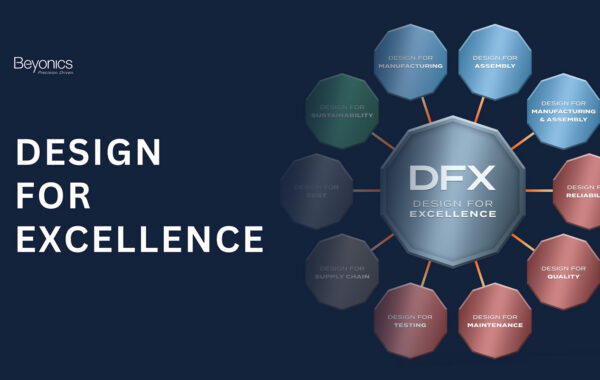
Our engineering teams support this transition through DFM, DFA, and DFT reviews. In PCBA, this can include BOM review, component availability checks, test coverage planning, SMT process considerations, and functional test development. In product build, it can include assembly sequence, torque control, labeling, fixture design, packaging, and final verification.
Strong design transfer reduces regulatory and production risk at the same time. It gives OEMs evidence that the manufacturing process can meet design requirements. For complex MedTech assemblies, this clarity can prevent launch delays and reduce avoidable nonconformances.
Traceability Must Work at Production Speed
Traceability has practical value only if it works during normal production. It must capture material lots, components, equipment, operators, inspection outcomes, and test results without slowing the line or creating gaps in manual records. For MedTech products, this evidence supports complaint investigation, recall readiness, audit response, and ongoing quality review.
At Beyonics, traceability forms part of our manufacturing control approach, using quality systems like MES (manufacturing execution system). Our PCBA capabilities include batch traceability through an in-house shop-floor management system, along with inspection and testing workflows that support regulated programs. For customers, this means that production data can be traced back to specific batches and process steps.
This level of traceability also supports supplier change control. If an approved alternate component enters production, the system must show which lots used it and which tests confirmed conformity. If a process parameter changes, the record must show approval, implementation timing, and affected products. These records help OEMs maintain control across US and EU market requirements.
Testing Strategy Protects Product and Submission Quality
Testing needs to match the risk profile of the device. A simple electrical check may not provide enough evidence for a complex diagnostic, monitoring, or connected medical product. PCBA and product build programs often require layered testing, including in-circuit testing, flying-probe testing for early builds, functional testing, visual inspection, and customer-defined verification.
Our PCBA services include in-circuit testing with Agilent test stations for large-volume production, flying-probe testing for high-mix, low-volume, and NPI builds, and functional test development with customers. This range supports different stages of product maturity. Early builds need fast learning. Mature builds need repeatability, throughput, and stable test coverage.
Testing also feeds process improvement. Failures can reveal design sensitivity, component variation, handling risks, solder process issues, or fixture limitations. A contract manufacturer with integrated engineering and quality teams can close that loop faster. For MedTech customers, faster learning supports stronger validation packages and more reliable production releases.
Process Validation Turns Capability into Evidence
Medical device manufacturing must undergo stringent process verification to ensure product repeatability. Validation links equipment, parameters, operators, materials, and methods to repeatable outcomes. It creates documented confidence that the process can produce a conforming product under defined conditions.
An Asia-based medical device contract manufacturing partner can support IQ, OQ, and PQ activities in line with the customer’s validation plan and regulatory strategy. The contract manufacturer may not own the regulatory submission, yet it plays a central role in generating production evidence. Equipment readiness, fixture control, process windows, operator training, and acceptance criteria all need clear documentation.
At Beyonics, our role is to help customers translate validation requirements into executable manufacturing controls. This includes production trial planning, test method alignment, record collection, and review of process performance. When validation planning starts early, the program avoids rushed documentation after launch pressure increases.
Supplier Controls Extend Beyond the First Audit
Supplier control continues after the first qualification review because manufacturing programs rarely remain static. Over time, component availability can change, production volumes may grow, test strategies can be refined, and customer requirements often evolve. A strong contract manufacturer needs a system that manages these changes with discipline and protects the approved state of the product.
Medical device supplier qualification should therefore include ongoing performance review. OEMs should look at on-time delivery, nonconformance trends, CAPA response, audit findings, component obsolescence, change notification timing, and training records. These metrics show how the supplier performs after approval.
We support long-term control through structured communication, documented change management, and quality review practices. Our global MedTech customers need a partner that can maintain discipline across multiple production phases, from NPI to mass production. That requires stable systems, experienced teams, and a manufacturing culture that treats quality records as part of the product.
Clean Production Practices Reduce Variation
Many MedTech assemblies require careful contamination control, ESD protection, controlled handling, or cleanroom manufacturing. The level of control depends on the product, intended use, and customer specifications. Even when full cleanroom production is not required, disciplined handling and controlled work environments can reduce defects and improve repeatability.
Asia-based contract manufacturers supporting medical programs should show how they control environmental risks. This can include personnel flow, gowning where required, material staging, cleaning procedures, packaging controls, electrostatic protection, and segregation of conforming
and nonconforming product. These controls must align with the product risk profile and be linked to written procedures.
Beyonics supports high-precision MedTech manufacturing through integrated production capabilities, including PCBA, product build, precision plastics, metal fabrication, and assembly services. This vertical alignment helps reduce unnecessary handling between suppliers and supports cleaner, more controlled production flow for complex device assemblies.
What OEMs Should Ask Before Choosing a Partner
A strong evaluation starts with specific questions. Does the supplier’s ISO 13485 manufacturing scope fit the product and process? Can the team support design transfer and validation planning? How does the site control electronic components, molded parts, machined parts, labels, packaging, and customer-supplied materials? How does the supplier document training, test results, inspection outcomes, and process changes?
OEMs should also ask how the partner manages global regulatory expectations. US and EU programs require disciplined record-keeping, but they can differ in submission strategies, technical documentation, and interactions with notified bodies. The contract manufacturer should not speak beyond its role, yet it should support the evidence the legal manufacturer needs.
The strongest partners answer with examples from their own production system. They can explain how a batch record moves through the line, how a failed test gets escalated, how a component change gets approved, and how a customer audit gets supported. These operational details reveal more than just a list of capabilities.
Why Our Integrated Model Supports Compliance Readiness
We support MedTech customers by integrating engineering, manufacturing, quality control, and supply chain execution into a single operating model. Our services span PCBA, product build, precision plastics, metal fabrication, tooling, automation, and testing. This integration helps customers reduce handoffs, improve traceability, and manage production risk across complex assemblies.
Our manufacturing footprint in Asia supports global customers who need scale with controlled execution. We help customers move from prototype to volume production while maintaining quality evidence and process discipline. For MedTech programs serving the US and EU, this means manufacturing support aligned with ISO 13485 principles, supplier control expectations, and validation-ready production.
Choosing a turnkey MedTech contract manufacturing partner should never rely on geography alone. The real question is how well the partner controls risk, documents production, supports audits, and adapts as the product matures. At Beyonics, we bring these elements together so customers can build high-quality medical technology with greater confidence.
In Conclusion
Regulatory compliance in MedTech depends on many decisions made inside the manufacturing process. Supplier qualification, design transfer, traceability, validation, change control, and testing collectively shape the evidence supporting US and EU market access. An Asia-based partner can play a critical role when its systems, people, and processes align with those expectations.
At Beyonics, we support customers through disciplined medical device contract manufacturing capabilities built for complex global programs. Our integrated model provides OEMs with engineering support, scalable production, ISO 13485 manufacturing experience, traceability, and structured quality control. That combination helps MedTech teams reduce risk, improve execution, and move from development to production with greater control.