




首页 " 工具成本的真实代价:您的前期投资如何影响组件的总体生命周期成本
Tooling often appears as a single upfront line item. That makes it easy to compare supplier quotations too quickly. One tool may carry a lower purchase price, while another may include better cooling, stronger steel, improved venting, tighter shutoffs, more reliable ejection, and cleaner access for maintenance. Those differences can change the cost of every part produced after tool release.
At Beyonics, we view tooling as a production asset, not a procurement expense. A tool affects cycle time, scrap rate, labor input, secondary operations, dimensional stability, cosmetic quality, and long-term supply reliability. The lowest mold tooling cost can become expensive if it creates longer cycles, more rejects, harder maintenance, or repeated engineering changes after launch.
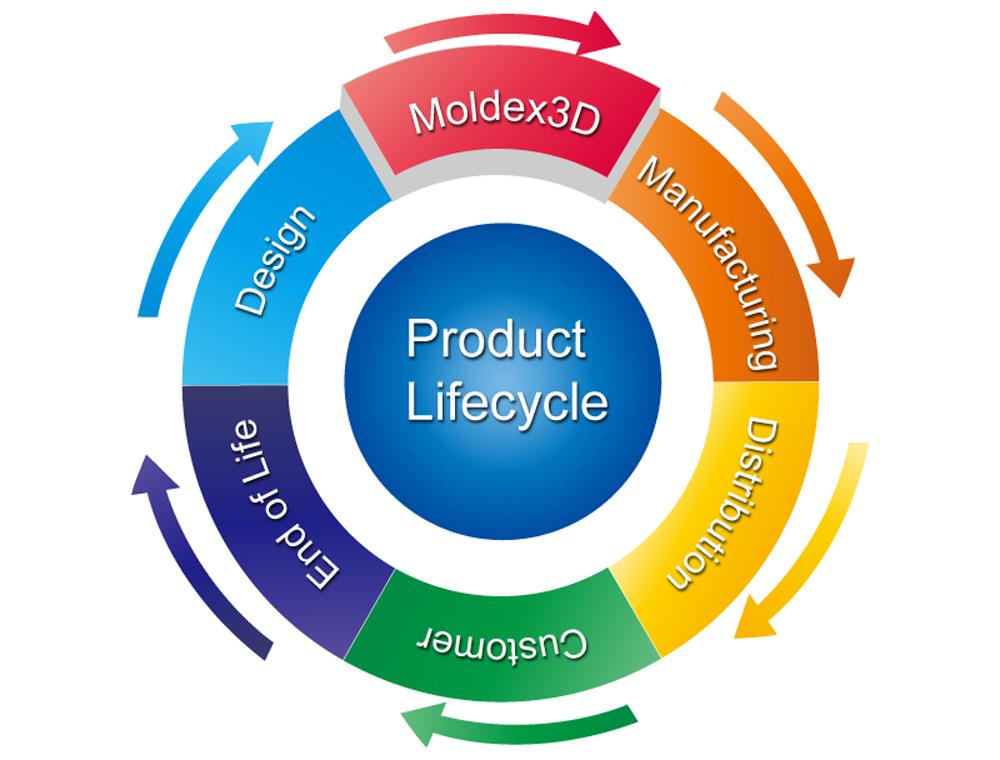
A good tooling decision starts with the full component lifecycle. OEMs need to understand how tool design affects costs across prototyping, validation, ramp, mass production, maintenance, and eventual tool modifications. A total cost of ownership in manufacturing approach brings value by evaluating initial tooling expenses and the long-term impact on production efficiency, quality, maintenance, downtime, and supply continuity. This approach connects the upfront tool decision with the cost profile of the finished component over time.
What Your Production Tool Controls
A production tool does more than shape material. It defines how consistently a component can meet its drawing, how quickly the process can run, and how stable quality remains across shifts and production lots. Gate design, cooling layout, cavity balance, steel selection, ejection strategy, venting, and parting line control all affect output.
For injection molded components, tooling decisions influence shrinkage, warpage, sink, flash, weld lines, surface finish, and dimensional repeatability. If a design requires tight tolerances or cosmetic surfaces, small tool compromises can lead to recurring quality losses. A weak cooling strategy may appear acceptable in early samples, yet it can reduce yield as production volumes increase.
The same logic applies to die-casting tools, stamping dies, and secondary fixtures. Tooling sets the process window. A narrow process window forces operators to make frequent adjustments and increases variation. A well-engineered tool provides production with a stable operating range, reducing intervention and helping maintain predictable unit economics.
Where Mold Tooling Cost Comes From
A mold quotation reflects many technical decisions. Tool size, cavity count, part complexity, steel grade, hot runner selection, texture, sliders, lifters, unscrewing features, tolerances, inspection needs, and expected tool life all influence cost. A simple housing tool and a high-cavity precision tool require very different engineering effort.
Injection molding tooling cost also depends on what the program needs the tool to achieve. A prototype insert for early validation carries a different cost profile than a hardened production mold built for high-volume output. Multi-cavity molds, double-color (2K) tools, overmold tools, insert tools, and unscrew molds require more design work and stricter machining control than basic single-cavity tooling.
Tooling equipment and process knowledge also affect the quotation. At Beyonics, our tooling operations use advanced mold design, moldflow analysis, precision CNC machining, EDM, wire EDM, CMM, optical measurement, and Siemens NX for design and CAM programming. Our precision metal tooling capabilities, including 精密金属冲压和 plastic tooling solutions bridge the gap between ambitious designs and production reality. These capabilities help us build tools that support production stability, not only first-article approval.
How Better Tooling Reduces Unit Cost
A stronger production tooling investment can reduce cost per component even when the upfront tool price is higher. The reason is simple. A better tool can shorten cycle time, lower scrap, reduce manual adjustment, extend preventive maintenance intervals, and improve first-pass yield. These gains repeat across every production run.
Cooling design provides a clear example. A tool with optimized cooling may cost more at the build stage, yet it can reduce cycle time and improve dimensional consistency. Over hundreds of thousands or millions of parts, that cycle-time gain can outweigh the extra tooling spend. The same applies to robust ejection, balanced filling, reliable venting, and durable shutoff surfaces.
Beyonics’ tooling division is certified to IATF 16949, ISO 13485, ISO 9001 and 14001. We utilize advanced 5-axis CNC machines capable of achieving remarkable 0.005 mm tolerances, critical for medical and optical components. For machining operations, we maintain tolerance of ±0.01mm for general features and hole diameter tolerance of ±0.005mm. This level of precision directly translates into better part consistency and lower rejection rates.
This is why tooling should never be evaluated by purchase price alone. The right question is how the tool changes the cost of good parts shipped to the customer. A low-cost tool that produces higher scrap creates hidden cost in materials, machine time, inspection, rework, delays, and customer risk. A well-built tool gives production teams a stronger baseline.
The Cost of Late Tooling Corrections
Late tooling changes carry high cost because they affect schedule, validation, resources, and customer confidence. Once steel has been cut, every correction takes more time. A gate relocation, additional venting, cooling adjustment, insert change, or texture correction may trigger new trials and new inspections.
The cost grows further when the component serves a regulated or high-reliability application. In 医疗科技, 汽车行业和 智能技术 programs, a tool change can affect validation records, inspection plans, process capability studies, and the timing of customer approval. A correction that looks small in the toolroom can create a large program impact when it delays launch or requires repeat qualification.
Early DFM reduces this risk. Our engineering teams review part geometry, tool access, material behavior, tolerances, cosmetic areas, and downstream assembly needs before tool release. Through Moldflow analysis, we can predict and eliminate potential manufacturing issues during the design phase, significantly reducing development time and costs. We use computerized simulation techniques for mold flow analysis, part geometry, and prototype tools to minimize risk and accelerate timelines. This early work reduces avoidable corrections and protects the launch schedule.
Tooling and Design for Manufacturing
Design for Manufacturing provides tooling teams with the information they need before steel decisions are finalised. It helps align product design with process capabilities. For plastic components, this includes wall thickness, ribs, bosses, draft, gate location, texture, material flow, shrinkage, and assembly features. For metal components, this can include die-casting geometry, stamping feasibility, machining allowances, and finishing requirements.
At Beyonics, tooling work connects closely with our plastics injection molding, insert molding, overmolding, die casting, CNC, powder coating, PCBA, and product build capabilities. This matters because a component rarely lives alone. A molded housing may need inserts, cosmetic finishing, sealing, bonding, or assembly. A die-cast housing may need machining, coating, gasketing, and final integration.
Tooling decisions should account for those downstream steps. A parting line that seems harmless during molding may complicate powder coating. A casting datum may affect CNC machining alignment. An insert position may affect assembly fit. Our integrated model helps customers identify these interactions before tool release, when corrections cost less and create less disruption.
Our in-house engineering teams collaborate with customers to develop efficient, scalable, and quality-focused tooling systems for 铝压铸件, with machine range from 125 to 850 tons. We work with alloys including ADC12, A383, A380, A413, and other special composition alloys upon request. Our metal tooling expertise supports both low-volume prototypes and high-volume production runs, offering the flexibility, experience, and innovation required in today‘s competitive manufacturing landscape.
Tooling Strategy for High-Reliability Components
High-reliability components require tooling that supports repeatability under real production conditions. This is especially important for medical devices, automotive electronics, optical systems, precision housings, and connected technology products. These programs often need tight dimensions, clean surfaces, stable assembly interfaces, and documented process control.
For these components, mold tooling cost should include the cost of risk reduction. Improved tool design can support capability studies, consistent inspections, and stable process validation. Precision inserts, hardened wear areas, improved cooling, better cavity balance, and stronger maintenance access can protect long-term performance. These features may increase the quotation, yet they reduce operational exposure during production.
Beyonics serves customers in MedTech, Mobility, and SmartTech, where quality and reliability require disciplined tooling decisions. Our team of senior tooling engineers, with an average of 15 years of experience, brings exceptional technical expertise and craftsmanship to every mold we produce. We’ve successfully reduced wall thicknesses to 0.15mm for lightweight automotive components while maintaining structural integrity. Our experience with high-performance materials like PEEK, LCP and PPS up to 60% fillers ensures optimal material selection for each application. That range helps us match tool strategy to product risk and production demand.
How Production Volume Changes the Investment Logic
Volume changes the tooling equation. For low-volume validation, a simpler tool may help a team learn quickly and control early spend. For high-volume production, the tool must support speed, durability, repeatability, and maintenance efficiency. A tool designed for early learning may not provide the economics needed for full-scale production.
Production tooling investment should therefore match the planned lifecycle. High-volume programs often justify additional tooling features because even modest reductions in cycle time or scrap can generate significant savings over the life of the program. Products expected to undergo regular design revisions may benefit from modular inserts that simplify future modifications. Components with demanding cosmetic requirements typically require greater focus on gate placement, texture strategy, venting, and surface preparation to achieve consistent appearance standards.
A strong injection molding ROI calculation considers more than just the tool price. It should include expected volume, tool life, cycle time, cavitation, scrap rate, labor, machine rate, maintenance, validation cost, rework, and change risk. This creates a clearer financial view than a basic quote comparison.
Tool Maintenance Shapes Lifecycle Cost
Tool maintenance directly affects component lifecycle costs. Wear on shutoffs, vents, slides, lifters, cores, and cavities can create flash, dimensional drift, cosmetic defects, and higher rejection rates. If the tool design makes maintenance difficult, downtime increases, and production teams lose flexibility.
Preventive maintenance should form part of the tooling plan before production starts. The tool should allow access to wear components, inserts, cooling channels, and moving features. Spare parts strategy should reflect program risk and lead time. The maintenance plan should also link to production data, so teams can act before defect trends grow.
At Beyonics, we view maintenance planning as part of tool engineering. Strong tools are easier to service, inspect, and keep within specification. This protects throughput and supports stable customer supply across the component lifecycle.
How Integrated Manufacturing Changes Tooling Decisions
Tooling decisions improve when the tooling team can see the full manufacturing chain. If the same manufacturing partner supports tooling, molding, casting, machining, finishing, assembly, and testing, engineering teams can reduce interface risk. They can plan tool features around actual downstream requirements instead of making assumptions.
This integrated view creates value for complex assemblies. Tooling requirements often extend beyond the primary manufacturing process and must account for subsequent production operations. Design features established during tool development can influence machining accuracy, surface finishing performance, assembly efficiency, sealing effectiveness, and overall product integration. Each downstream step depends on features created by the tool.
Our capabilities allow us to connect those decisions early. We can align tool design with material behavior, process control, surface finishing, assembly requirements, and inspection strategies. This helps customers avoid fragmented decisions that create hidden cost later in production.
With facilities across Asia, Beyonics delivers custom-engineered metal tooling solutions that support high-precision manufacturing processes. Our capabilities span from early-stage design to full-scale production, offering strategic support for aluminum die casting, plastics injection molding, and hybrid tooling applications. All processes are ISO-certified, ensuring complete traceability and robust quality control at every stage.
What OEMs Should Ask Before Approving Tooling
Before approving a tooling quotation, OEMs should ask how each design choice affects the cost of the finished component.
- What cycle time does the tool support?
- What scrap assumptions drive the quote?
- What maintenance plan protects tool life?
- What features increase stability?
- What risks remain after DFM and Moldflow review?
Teams should also review validation and change risk.
- How will tool trials feed process qualification?
- Which dimensions require capability studies?
- How will the tool support future design updates?
- What spare inserts or wear parts should stay available?
These questions create a stronger basis for evaluating the total cost of ownership in manufacturing.
A supplier should answer with process details, not generic assurances. They should explain how the tool will fill, cool, eject, vent, hold tolerance, and support maintenance. They should also explain how the tooling plan links to the production process and customer quality expectations.
How We Approach Tooling at Beyonics
At Beyonics, tooling begins with engineering collaboration. We work with customers early to review geometry, material selection, moldflow behavior, tolerance risk, cosmetic requirements, and downstream process needs. Our goal is to reduce avoidable costs before steel decisions become expensive.
Our tooling capabilities support plastic injection molding, aluminum die casting, precision metal stamping, inserts, fixtures, and complex production requirements across MedTech, Mobility, and SmartTech programs. We combine tool design, simulation, precision machining, EDM, metrology, and quality systems to create tools that support stable production.
Our metal tooling and plastic tooling solutions are built by experienced engineers and toolmakers using proven EDM, 5-axis milling, and precision grinding. Through process optimization informed by real production data, we deliver consistent quality output. This disciplined approach, backed by proactive tooling maintenance programs, ensures sustained performance throughout the product lifecycle without compromising reliability.
This approach helps customers make better tooling investment decisions. Instead of treating tooling as a one-time purchase, we connect it to part quality, production efficiency, maintenance needs, validation, and lifecycle cost. That is where tooling creates the greatest financial value.
Turning Tooling Decisions into Long-Term Manufacturing Advantage
Tooling cost deserves a broader review than the number on a quotation. The tool shapes every component that follows. It influences cycle time, yield, inspection burden, maintenance effort, process capability, launch speed, and customer risk. A low upfront price can become expensive when it creates instability during production.
A strong production tooling investment gives OEMs better control over the full component lifecycle. It reduces hidden cost, improves production predictability, and supports stronger quality outcomes. For injection-molded, die-cast, stamped, and assembled components, the right tooling strategy can define the economics of the entire program.
At Beyonics, we help customers evaluate tooling through the lens of manufacturability, process stability, and total cost. By combining integrated engineering, tooling, production, and quality capabilities, we support smarter decisions from early design through mass production.